
Website Development Mistakes That Can Ruin Your Site (And How to Avoid Them Without Losing Your Sanity)
Let’s face it — building a website development today feels easier than ever. Templates everywhere, tutorials on YouTube, AI tools popping up every week… it almost feels like anyone can do it. And technically, yes, they can. But here’s the catch — just because you can build a website doesn’t mean it’ll work well.
Many websites look good at first glance but struggle with traffic, conversions, or user engagement. Why? Because of common website development mistakes. And trust me, these mistakes are more common than forgotten passwords.
So if you’re planning a website (or already have one), let’s talk about the mistakes you definitely want to avoid — with a little humor to keep things interesting.
Table of Contents
ToggleIgnoring Mobile Optimization
This is probably the biggest mistake still happening. Most users browse websites on mobile devices now. If your website doesn’t work smoothly on smartphones, visitors leave quickly.
Common mobile issues include:
Text too small to read
Buttons difficult to click
Slow mobile loading
Broken layout on small screens
Always test your website on multiple devices before launching. A responsive design isn’t optional anymore — it’s essential.

Slow Website Speed
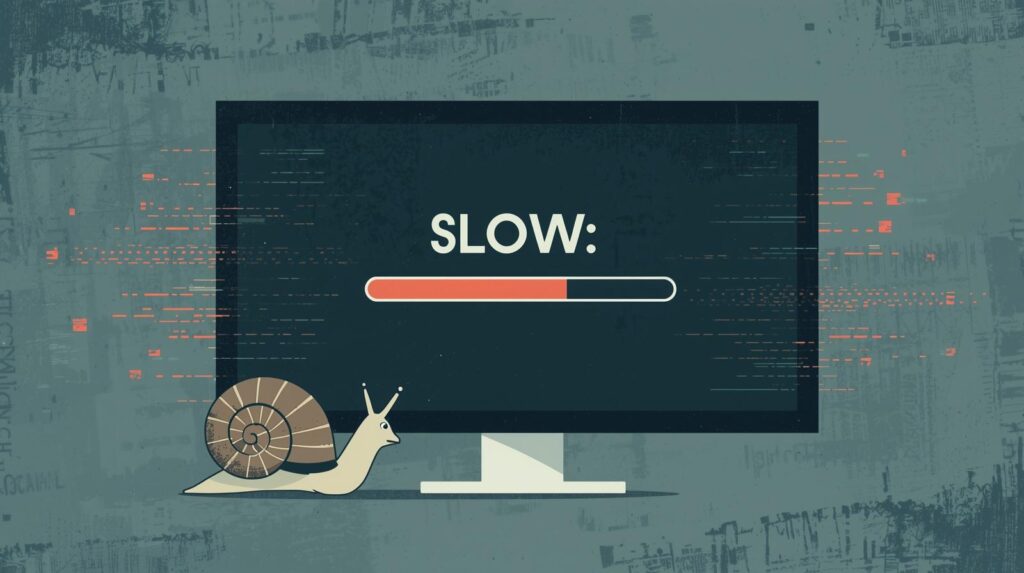
Nobody likes waiting for a website to load. If your site takes more than a few seconds, users often leave without exploring.
Speed problems usually come from:
Large unoptimized images
Poor hosting
Heavy scripts
Too many plugins
Fast websites improve user experience, SEO rankings, and conversion rates. Speed optimization should be part of development from day one.
Poor Navigation Structure
A confusing website layout frustrates visitors. If users struggle to find basic information, they simply move on.
Common navigation mistakes:
Too many menu options
Hidden important pages
No clear hierarchy
Unclear labels
Keep navigation simple, logical, and intuitive. Visitors should find what they need within seconds.
Ignoring SEO During Development
Some websites look great visually but perform poorly on search engines. That usually happens when SEO isn’t considered during development.
Important SEO factors include:
Clean URL structure
Proper heading tags
Image optimization
Fast loading speed
Mobile responsiveness
SEO shouldn’t be an afterthought. It should be built into the development process.
Weak Content Planning
Even the best design won’t help if content is unclear or unhelpful. Many websites focus on visuals but forget about messaging.
Common content mistakes:
Too much jargon
No clear value proposition
Poor readability
Lack of engaging information
Content should answer questions, solve problems, and guide visitors toward action.
Overcomplicated Design
Some websites try to impress with animations, effects, and fancy elements. But excessive design can distract users and slow performance.
Simple, clean design usually works better because it:
Improves readability
Enhances user experience
Loads faster
Keeps focus on content
Good design supports content, not competes with it.
Not Planning for Scalability
Businesses grow. Your website should be able to grow too.
Many websites are built without considering future needs like:
Additional pages
E-commerce integration
New features
Content expansion
Planning scalability saves time and redevelopment costs later.
Weak Security Measures
Security often gets ignored until something goes wrong. A hacked website damages reputation and trust.
Basic security practices include:
SSL certificates
Regular updates
Strong passwords
Backup systems
Secure hosting
Security isn’t optional — it’s fundamental.
Skipping Testing Before Launch
Launching a website without proper testing is risky. Bugs, broken links, or layout issues can affect user experience immediately.
Testing should include:
Cross-browser compatibility
Mobile responsiveness
Form functionality
Loading speed checks
Content accuracy
Testing prevents embarrassing mistakes.
No Clear Call to Action
Visitors need guidance. Without clear calls to action, users may leave without interacting.
Good CTAs include:
Contact buttons
Purchase links
Newsletter signup prompts
Inquiry forms
Make actions obvious and easy.
Ignoring Analytics Setup
Many websites launch without tracking tools. Without analytics, you won’t know:
Where traffic comes from
Which pages perform best
User behavior patterns
Conversion rates
Data helps improve strategy.
Choosing Price Over Quality
Budget matters, but extremely cheap development often leads to poor performance, limited features, and future redesign costs.
Quality development focuses on:
Performance
User experience
SEO readiness
Security
Scalability
Think long-term, not just upfront cost.
Lack of Ongoing Maintenance
A website isn’t a one-time project. It requires regular updates and maintenance.
Maintenance includes:
Software updates
Content updates
Security checks
Performance optimization
Neglecting maintenance leads to problems later.
Final Thoughts
Website development mistakes are common, but most are avoidable. A successful website balances design, functionality, SEO, performance, and user experience.
Remember these key points:
Focus on mobile optimization
Prioritize speed and usability
Plan SEO from the beginning
Keep design simple and clear
Ensure security and scalability
Maintain the site regularly
A well-developed website doesn’t just look good — it works effectively for your business. Taking time to avoid these mistakes can save money, improve credibility, and help your website achieve its true potential.