SEO Marketing Tools: A Practical Guide to Growing Online Without Losing Your Mind
Table of Contents
ToggleDigital Marketing SEO Tools: Seeing the Bigger Picture
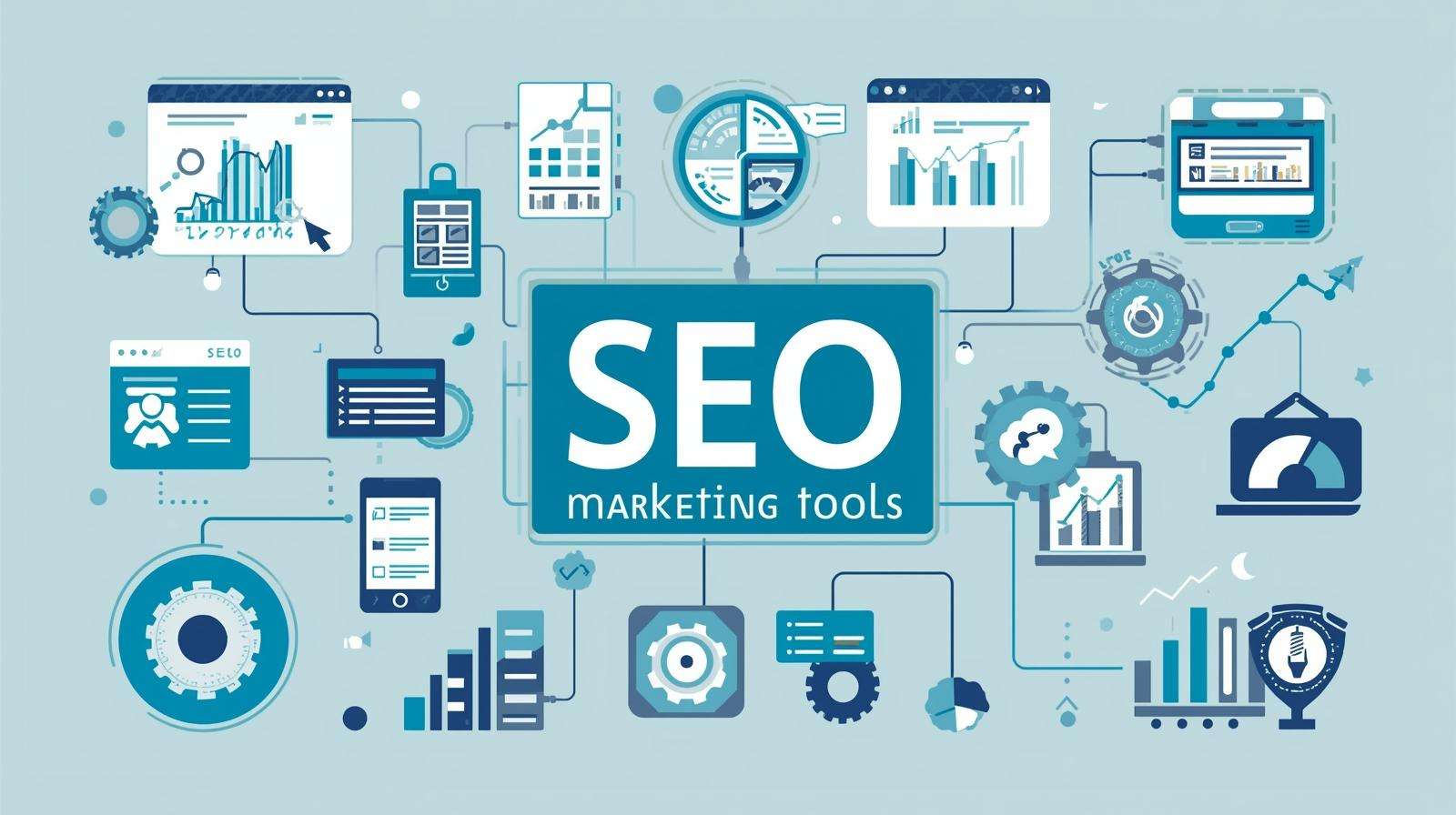
Digital marketing SEO tools help you understand how your website performs online. They show what people search for, how your content ranks, and where improvements are needed.
Without these tools, most SEO decisions become guesswork. And guesswork rarely produces consistent results.
These tools usually help with:
Keyword discovery
Website performance tracking
Competitor analysis
Content optimization
Technical issue detection
Once you start using them regularly, you stop guessing and start plan
Search Engine Optimization Software: Making SEO Practical
Search engine optimization software simplifies complex SEO tasks. Instead of manually checking hundreds of pages, keywords, and technical factors, software gathers everything in one place.
It helps you:
Identify ranking opportunities
Monitor website health
Analyze backlinks
Track traffic trends
Optimize content effectively
Good software saves time and reduces stress. And honestly, less stress is always welcome in digital marketing.
Best SEO Marketing Software: Choosing What Fits You
There isn’t a universal “best” SEO tool. The right choice depends on your goals.
For example:
Beginners often need keyword research and basic analytics
Businesses need reporting and performance tracking
Agencies usually require advanced competitor insights
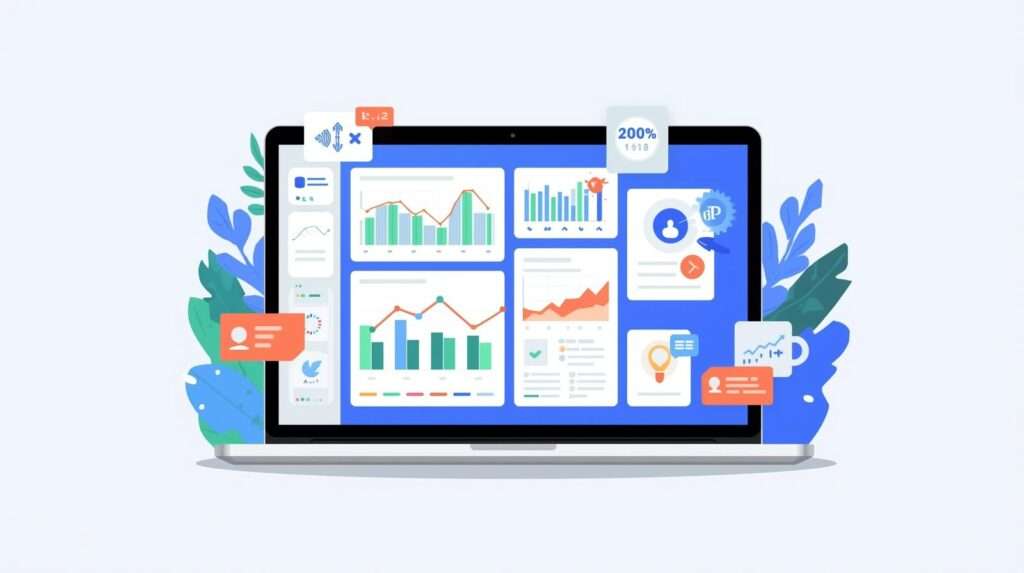
The best SEO marketing software should:
Provide accurate data
Be easy to understand
Fit your budget
Support your workflow
Expensive tools don’t guarantee success. Consistent usage does.
Keyword Research SEO Tools: Where Strategy Begins
Keyword research is still the foundation of SEO Marketing tools . Before creating content, you need to know what your audience is searching for.
These tools help identify:
Search volume trends
Long-tail keywords
User intent
Competition level
Content opportunities
Sometimes the most valuable keywords aren’t the biggest ones. Specific searches often bring better conversions because the user already knows what they want.
And yes, finding the right keyword sometimes feels like finding hidden treasure.
Website Optimization Tools: Improving User Experience
Search engines prioritize websites that provide a smooth user experience. Slow loading pages, confusing navigation, or poor mobile design can hurt rankings.
Website optimization tools help improve:
Page speed
Mobile responsiveness
Content structure
Internal linking
Metadata optimization
Better user experience doesn’t just improve rankings. It keeps visitors engaged, which increases conversions.
SEO Analytics Platforms: Understanding Real Performance
Traffic numbers alone don’t tell the full story. You need to understand what visitors actually do on your website.
SEO analytics platforms provide insights into:
User behavior
Popular pages
Traffic sources
Conversion paths
Engagement metrics
This data helps refine strategy. Instead of assuming what works, you can see actual results.
And sometimes those results surprise you.
Backlink Analysis Software: Building Authority
Backlinks remain one of the strongest ranking signals. But quality matters far more than quantity.
Backlink analysis software helps you:
Identify strong linking opportunities
Remove harmful backlinks
Study competitor link profiles
Track domain authority growth
Think of backlinks as recommendations. A recommendation from a trusted source carries more weight than several random mentions.
Building quality backlinks takes time, but the long-term benefits are significant.
Technical SEO Tools: The Work Nobody Sees
Technical SEO isn’t flashy, but it’s essential. Even great content can struggle if technical issues exist.
Technical SEO tools help monitor:
Crawl errors
Page indexing issues
Website speed
Security factors
Structured data implementation
Fixing technical issues often produces noticeable ranking improvements.
It’s like maintaining your website’s engine — invisible work, but critical for performance.
SEO Reporting Software: Keeping Strategy Clear
SEO reporting software helps track progress in a structured way. Instead of scattered data, you get clear insights.
Reports usually include:
Keyword ranking changes
Traffic growth trends
Backlink performance
Engagement data
Conversion metrics
Clear reporting keeps strategies realistic. It shows what works, what doesn’t, and where to focus next.
Because sometimes intuition says one thing, data says another.
SEO Performance Tracking Tools: Playing the Long Game
SEO isn’t instant. It’s more like planting a tree than flipping a switch.
Performance tracking tools help monitor:
Keyword visibility over time
Traffic consistency
User engagement patterns
Conversion improvements
These tools remind you that patience matters. Sustainable growth usually happens gradually.
How to Use SEO Marketing Tools Effectively
Having tools is one thing. Using them properly is another.
A simple professional workflow often looks like this:
Start with keyword research
Create valuable, optimized content
Run technical audits regularly
Build backlinks gradually
Track performance consistently
Adjust strategy based on data
Consistency is often more important than intensity.
Common Mistakes People Make With SEO Tools
Even with great tools, mistakes happen.
Common ones include:
Relying only on automation
Ignoring technical SEO
Expecting instant results
Over-optimizing content
Using too many tools without focus
Tools provide insights, but strategy still requires human judgment.
Free vs Paid SEO Tools: What’s Better?
Both have advantages.
Free tools are great for:
Beginners
Small businesses
Basic analysis
Learning SEO fundamentals
Paid tools usually offer:
Deeper insights
Advanced automation
Detailed competitor analysis
Scalability for larger projects
Many marketers start with free tools and upgrade as their needs grow.
That’s a practical approach.
The Future of SEO Marketing Tools
SEO tools are evolving quickly. Artificial intelligence, predictive analytics, automation, and voice search optimization are shaping the future.
Privacy changes are also influencing data tracking. First-party data is becoming increasingly important.
But core principles remain unchanged:
Helpful content
Strong technical foundation
User-focused strategy
Consistent optimization
Tools evolve. Fundamentals stay.
Final Thoughts
SEO marketing tools don’t guarantee rankings, but they make the journey clearer. They help businesses understand audiences, improve content, fix technical issues, and measure progress accurately.
Real SEO success still depends on:
Understanding your audience
Creating valuable content
Maintaining technical health
Building trust over time
Staying consistent
Tools simply make these efforts more efficient.
And honestly, once you start using SEO tools properly, SEO stops feeling overwhelming. It becomes structured, manageable, and sometimes even enjoyable.
Well… most of the time.